
Nepal Seeks Climate Justice, Not Sympathy

In August, Nepal suffered severe floods and landslides, causing significant loss of life and property. Following the disaster, the Nepalese government appealed to the United Nations to advocate for climate justice, emphasizing that countries with the highest emissions and financial capacity must take responsibility for climate disasters. Nepal argues that developed nations bear the primary historical responsibility for global climate change and should now assume economic and moral responsibilities to assist developing countries like Nepal in addressing climate challenges.
Background: Nepal's Climate Predicament
Nepal is an inland mountainous country located in the southern foothills of the Himalayas, with a highly vulnerable geography. The country's climate is particularly susceptible to the impacts of climate change, especially the increased frequency of extreme weather events. Nepal's economy heavily relies on agriculture and tourism, both of which are highly vulnerable to climate change. According to the Nepalese government, the country's temperature rise has been much faster than the global average in recent years, leading to issues such as glacier melt, river flooding, and landslides. The government has repeatedly called for international attention to its climate challenges.
Disaster Progression: Floods and Landslides
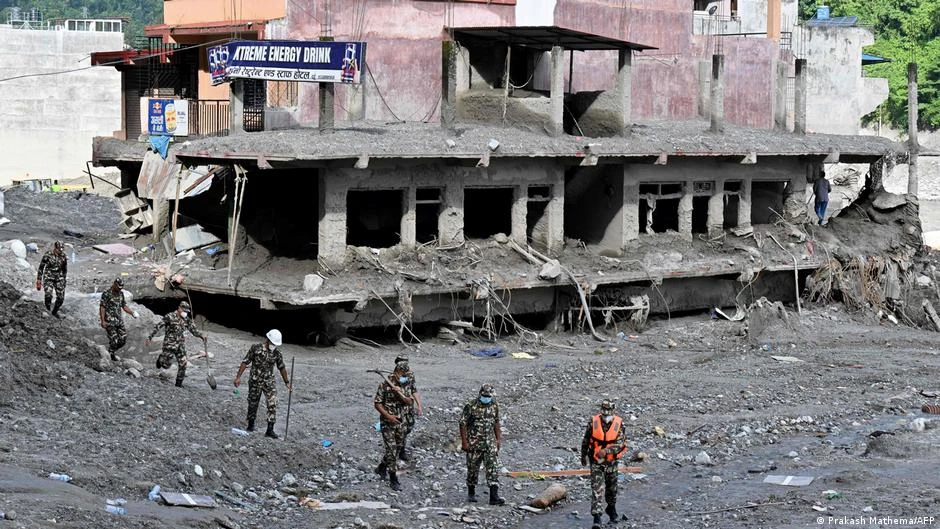
In August, Nepal experienced severe floods and landslides. Following the disaster, the Nepalese government swiftly initiated emergency response mechanisms, organizing rescue teams to provide food, drinking water, and temporary shelters for the affected population. The government also appealed to the international community for urgent assistance. According to the Nepalese disaster management department, the disaster resulted in hundreds of deaths, thousands of injuries, and tens of thousands of displaced people.
International Appeal: Climate Justice
Following the disaster, the Nepalese government appealed to the United Nations to advocate for climate justice. The government argues that developed nations bear the primary historical responsibility for global climate change and should now assume economic and moral responsibilities to assist developing countries like Nepal in addressing climate challenges. Nepal also emphasized that countries with the highest emissions and financial capacity must take responsibility for climate disasters. The government called for international action to promote climate justice and provide necessary financial and technological support to developing countries.

Impact and Outlook
The Nepalese government's appeal has garnered significant attention and support from the international community. Many countries and international organizations have expressed their willingness to strengthen support for Nepal to help it address climate challenges. However, the Nepalese government also noted that achieving climate justice requires sustained effort and cooperation, and continuous attention and support from the international community.
Comments
0No comments yet