
Philippine Rain Crisis: Super El Niño and Indian Ocean Variability Impact
Introduction
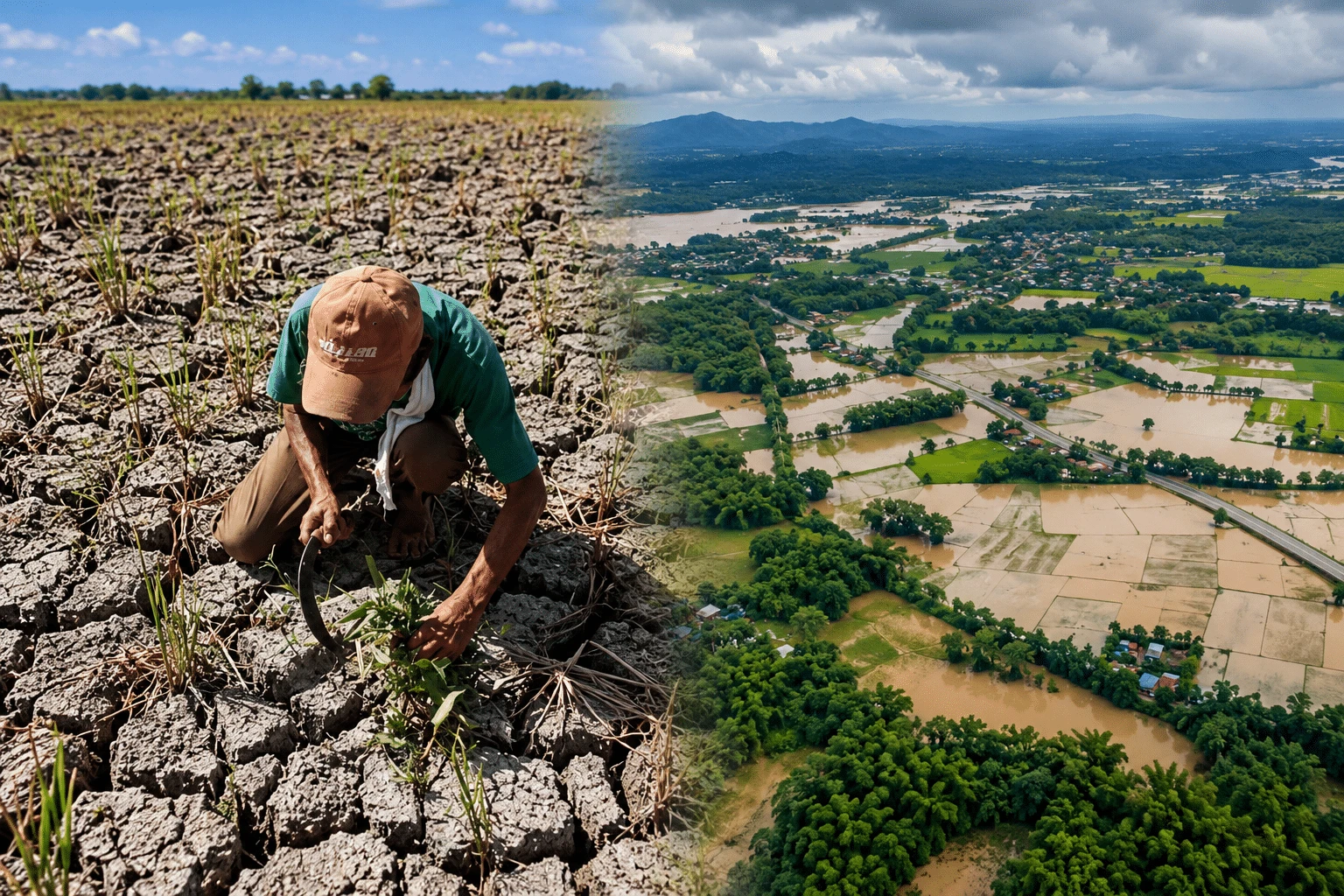
The super El Niño phenomenon from 2026 to 2027 is causing unprecedented impacts on the Philippines, with the country experiencing two phases of extreme weather conditions: initial flooding and subsequent drought. Climate patterns in both the Pacific and Indian Oceans are contributing to this complex and severe climate crisis.
Background
El Niño is a climate phenomenon characterized by unusually warm sea surface temperatures in the equatorial Pacific, typically leading to extreme weather conditions worldwide. The super El Niño phenomenon expected from 2026 to 2027 is predicted to have significant impacts on the Philippines. According to meteorological experts, this phenomenon will cause severe flooding initially, followed by a period of drought.
Development
Under the influence of the super El Niño phenomenon, rainfall in the Philippines will significantly increase in the initial phase, leading to widespread flooding. According to meteorological departments, since the beginning of the year, many parts of the Philippines have experienced rainfall levels more than twice the normal annual average. The flooding not only causes severe property damage but also disrupts the daily lives of local residents.
Subsequently, as the El Niño phenomenon continues to develop, the Philippines will enter a drought phase. Due to the high soil moisture from the earlier heavy rainfall, this may lead to a further reduction in precipitation during the drought, exacerbating water shortages. Additionally, drought may trigger forest fires, having a severe impact on the ecological environment.
Impact
The impacts of the super El Niño phenomenon on the Philippines extend beyond weather changes, affecting the economy and society profoundly. Flooding damages agriculture, reduces food production, and impacts food prices and residents' livelihoods. The drought phase may lead to water shortages, affecting industrial production and residents' water supply.
Furthermore, the super El Niño phenomenon may also trigger a series of social issues, such as population migration and health problems. The government and all sectors of society need to take proactive measures to address these challenges and ensure the safety of people's lives and property.
Responses
In response to the challenges posed by the super El Niño phenomenon, the Philippine government and all sectors of society have taken a series of measures. The government has strengthened meteorological monitoring and early warning systems, issuing disaster warnings in advance to reduce losses. Additionally, the government has increased relief efforts in affected areas, providing necessary supplies and financial support.
Society at large has also actively participated in the response, including NGOs, businesses, and social organizations. They provide assistance to affected areas through donations, volunteer services, and other means. Moreover, society has increased attention to climate change issues, pushing the government to adopt more proactive measures.
Conclusion
The impacts of the super El Niño phenomenon on the Philippines are complex and far-reaching, requiring joint efforts from the government and all sectors of society to mitigate the effects and ensure the safety of people's lives and property.
Comments
0No comments yet