
German Town Bans 'Stumbling Stones' Memorials to Nazi Victims
German Town Bans 'Stumbling Stones' Memorials to Nazi Victims
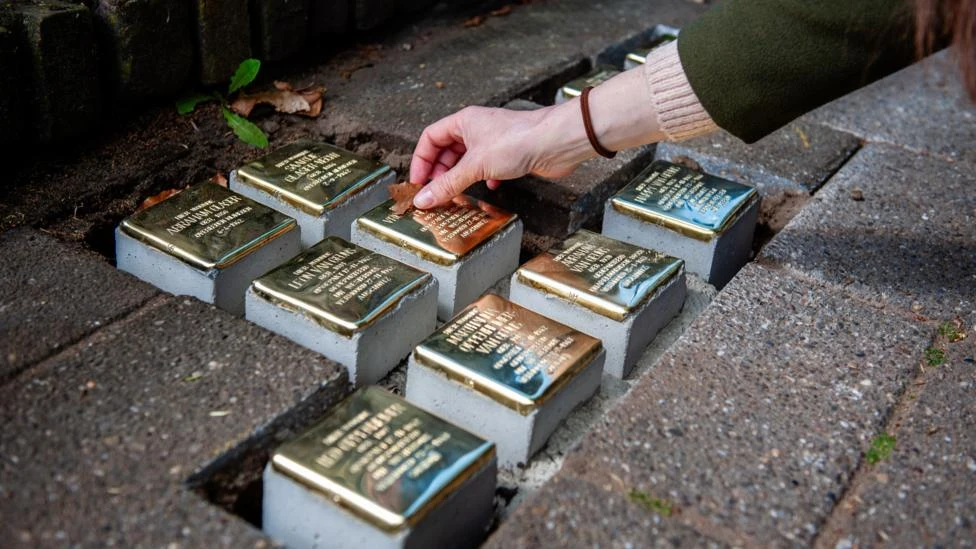
A German town has decided to ban the installation of small brass plaques, known as 'stumbling stones,' which commemorate victims of Nazi persecution during World War II. This decision has sparked widespread controversy, with Germany's education minister branding it a 'scandal.'
Background
The 'stumbling stones' project, initiated by German artist Gunter Demnig, aims to commemorate victims of Nazi persecution by installing small brass plaques in the pavement in front of their last known residence or workplace. Each plaque, typically made of brass, bears the name, birth date, death date, and place of death of the victim. Since the 1990s, over 90,000 such plaques have been installed worldwide, making them a significant way to remember the victims of the Holocaust and other Nazi atrocities.
Controversy Erupts
The decision to ban the installation of 'stumbling stones' in the town has sparked widespread controversy. Germany's education minister has criticized the move as a 'scandal,' arguing that it is a serious infringement on historical memory. Many local residents and supporters believe that these plaques are an important way to remind people of the past and prevent similar tragedies from happening again.
Local Government's Stance
The mayor of the town has stated that the ban on 'stumbling stones' is intended to protect the peace and harmony of the community. The mayor argues that these plaques might cause controversy and division, especially among residents who hold different views on Nazi history. However, this stance has been widely criticized, with many arguing that it is an attempt to deliberately avoid confronting the past.
Criticism from the Education Minister
Germany's education minister has criticized the decision as a 'scandal' and stated that the government will take measures to protect the installation of 'stumbling stones.' The minister argues that these plaques are not only a memorial to the past but also a warning for the future, helping to prevent similar tragedies from happening again. The minister also stated that the government will engage in dialogue with the local community to seek solutions, ensuring that these plaques can continue to be installed on the streets.
Conclusion
This decision has sparked widespread debate and discussion, reflecting different views in German society on how to deal with Nazi history. Whether in support or opposition, the event serves as a reminder of the importance of remembering history and reflecting on the past.
Comments
0No comments yet