
Food Delivery Rider Records 'Freeloading Woman' with Action Camera
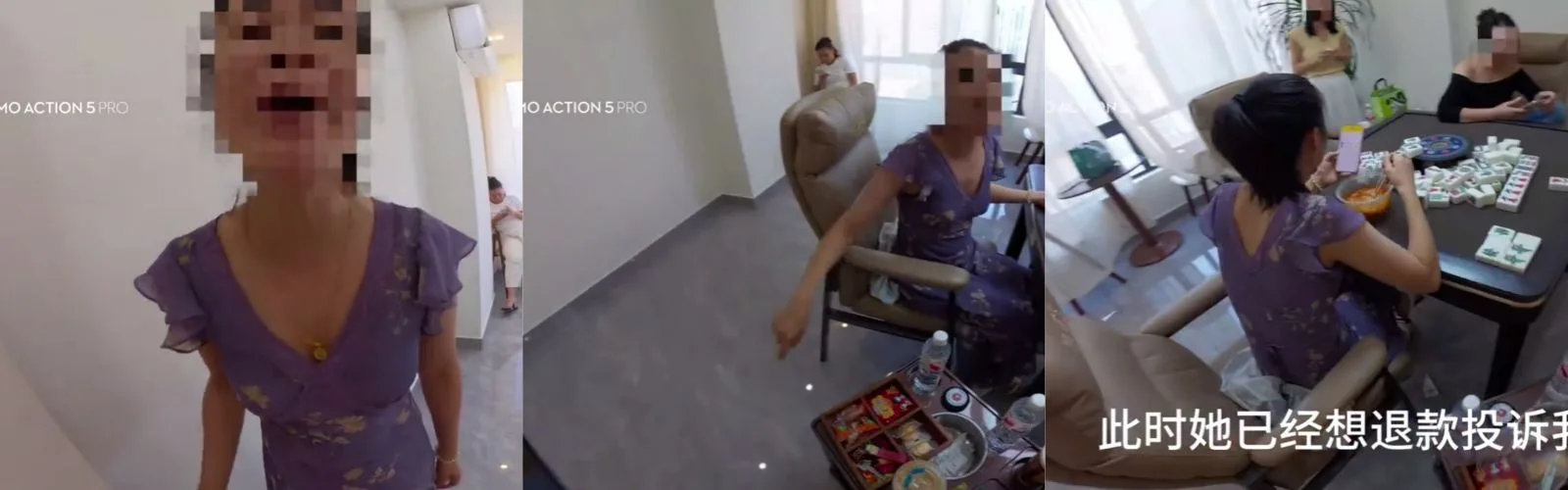
According to 818 Eating Melon Network, the 'freeloading culture' that has long plagued online shopping platforms has once again topped the热搜list. A food delivery rider used a high-end action camera to record the face of a 'freeloading woman' who placed an order with incomplete address information and unresponsive phone calls, yet still ate the food and later applied for a refund. The rider pressed the shutter button, capturing her face, expression, and the entire process clearly. Within a few hours, the video spread across the internet, with skyrocketing views and a flurry of comments: 'The rider is amazing!' 'The freeloading woman was caught red-handed!' 'Can the platform do something about this?' This incident is not an isolated case; it reveals the malicious evasion of platform rules by some users and the neglect of delivery riders' rights, leaving all those in the food delivery industry feeling disheartened.
The incident is simple yet infuriating. A delivery rider received an order and rang the doorbell at the specified address. The door opened, and a young woman appeared. She was neatly dressed and calm, saying, 'I didn't write the address clearly, and I couldn't be reached, so I ate the food and now I want a refund.' The rider was stunned—only half of the address was filled out, and the phone call went unanswered. The rider instinctively asked, 'Who are you? How can you do this?' The woman smiled and waved, saying, 'I'm hungry, so please deliver it, the platform has a refund channel.' She even reached out to take the food. The rider was furious: the address and contact information must be complete, and if the customer's reasons prevent delivery, the platform should handle it first, not let the customer eat for free. He decided to use the action camera as evidence—the DJI Osmo Action series camera has excellent shooting quality, capturing the woman's entire appearance, including her face, eyes, actions, and even her eating and refunding behavior clearly in dim hallways or elevators. The video began recording: the woman hesitated for a moment and then confidently tore open the food box, eating it greedily, with every detail of her face, food splashing, and even her phone call for a refund during the meal captured clearly.

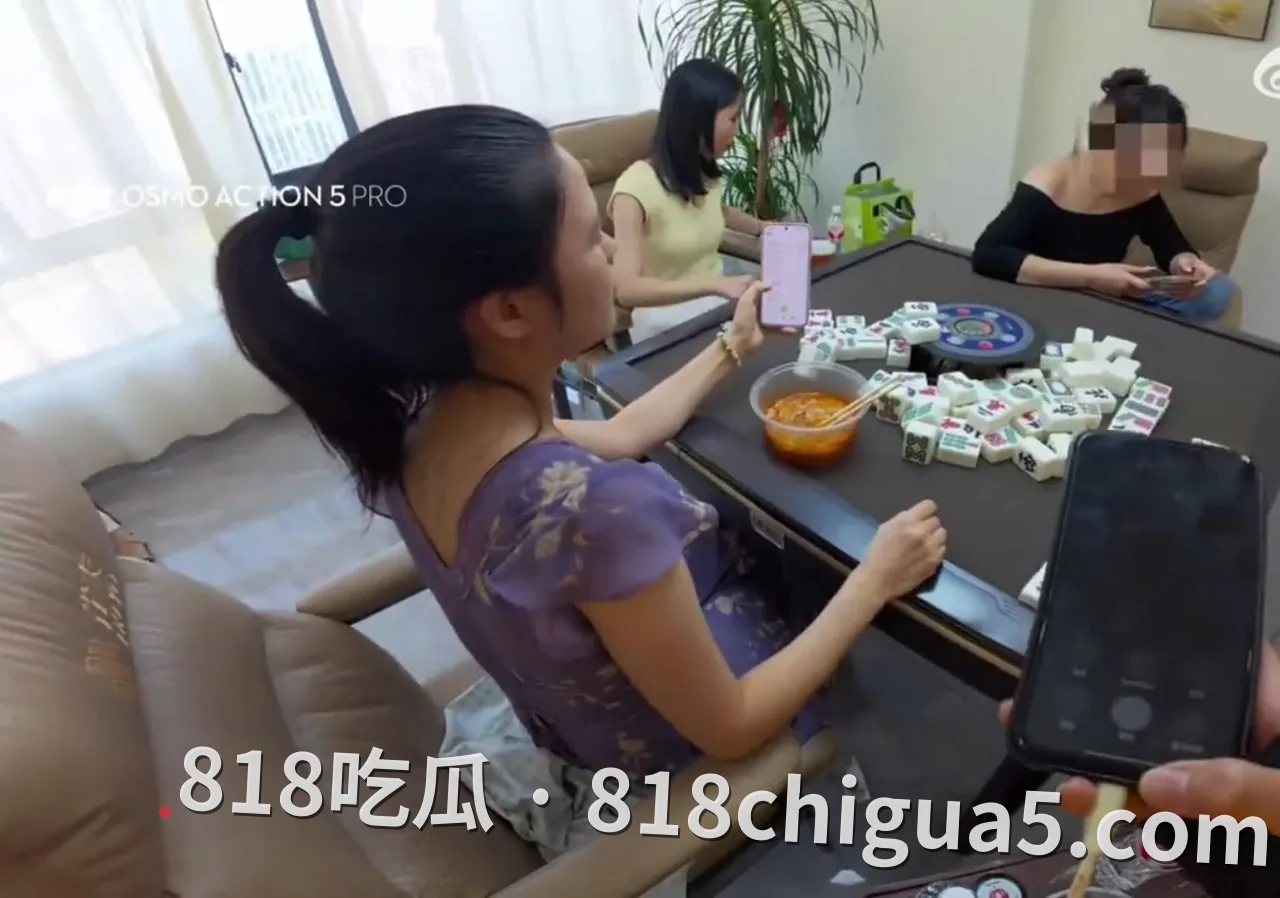
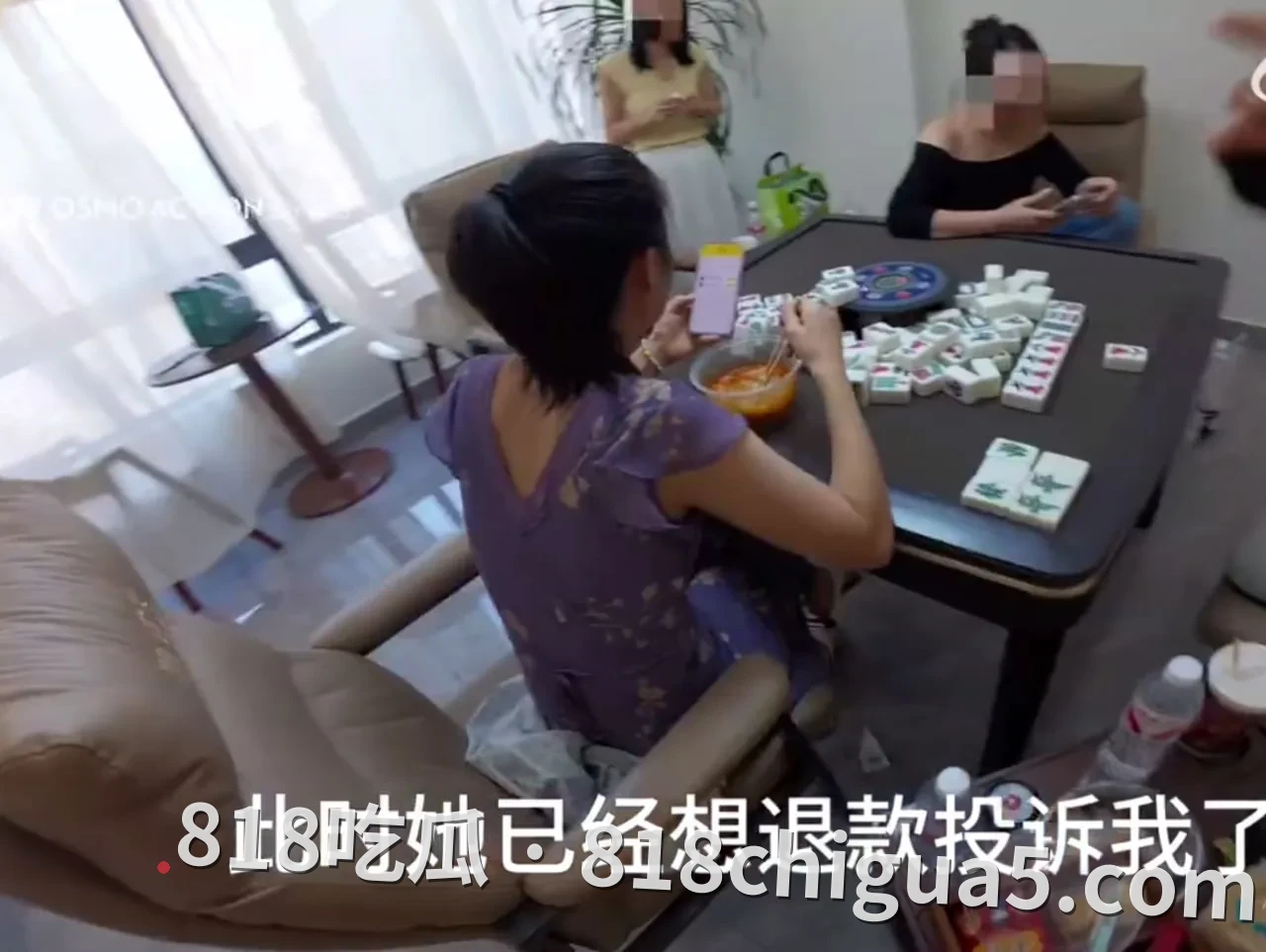
From a platform perspective, this is a systemic issue. While platforms emphasize 'user-centricity' and 'honest service' in their marketing, they fail to adequately protect the rights of delivery riders in practice. Low-level mistakes such as incomplete addresses, unreachable phone numbers, and even 'half-filled addresses' are allowed, enabling customers to take advantage of the system. There are also loopholes in the platform's refund review process: sometimes a refund for 'food not received' can be approved in just a few minutes, while the rider's losses are ignored. Recent similar complaints indicate that delivery riders often face a situation where the platform turns a blind eye and the rider is left to suffer after being maliciously reported. In this incident, the woman's use of a sports camera to record her actions serves as proof that riders have the right to gather evidence. The rider's actions are not 'sneaking,' but rather a form of self-defense—using legal tools to secure evidence when the customer refuses to pay and is unreachable. This reminds all riders that with evidence, the platform cannot easily let the rider suffer.
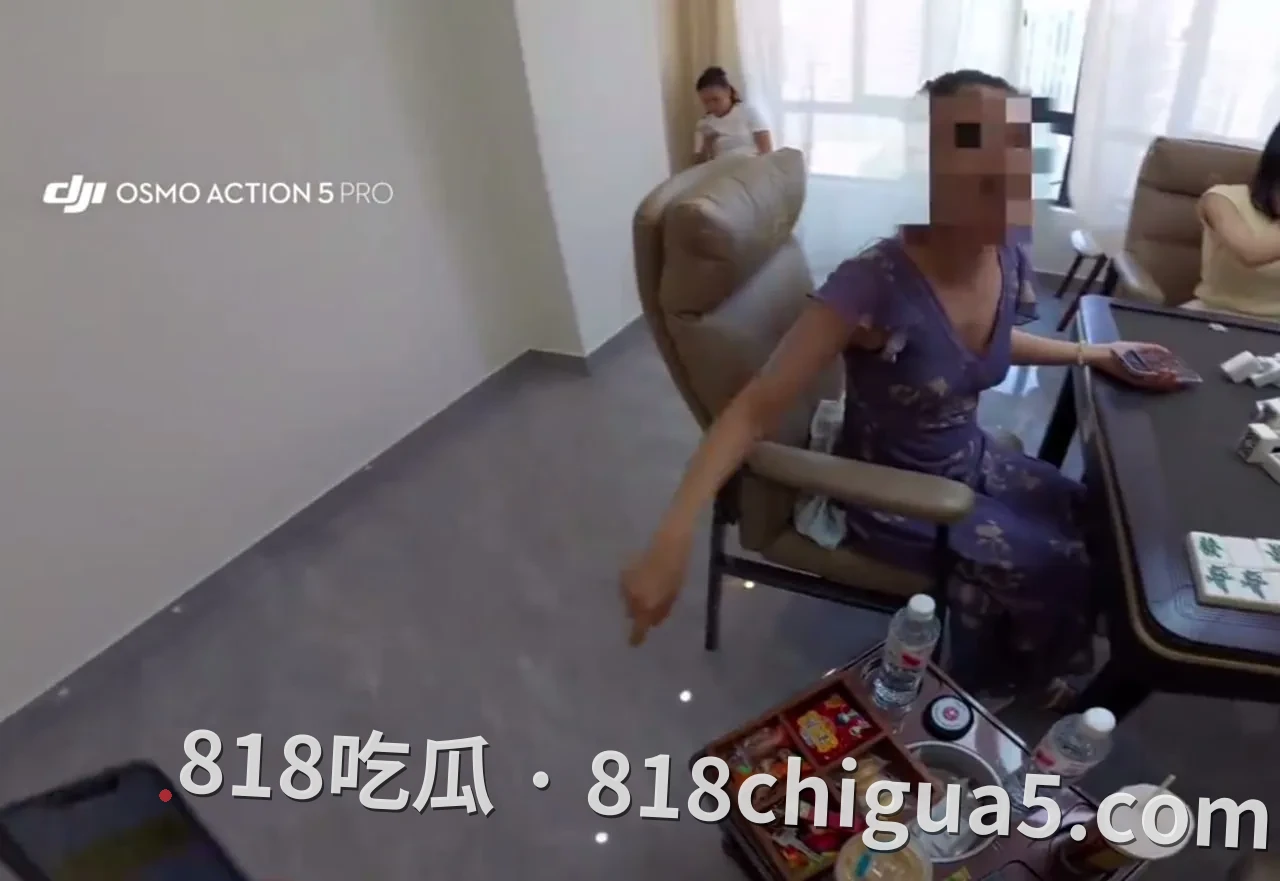

Of course, the incident has also sparked rational discussion. Does the rider's use of a sports camera to record the customer's actions infringe on privacy rights? Legally, citizens taking photos or videos in public or semi-public places, as long as they are not used for illegal purposes, are usually legal. However, if the video is privately disseminated by the rider to the media, does it constitute an infringement? The woman's act of eating and then requesting a refund clearly violates the platform's terms and consumer behavior guidelines. If the platform could promptly verify contact information and require customers to provide complete addresses and valid phone numbers, such 'free-riding women' would not have the opportunity to take advantage. However, in reality, platform reviews are often delayed, forcing riders to 'self-rescue.' In the future, if the platform can introduce voice recognition, video verification, and rider feedback mechanisms, similar incidents may be reduced; if the law can clearly define the responsibility of 'customers maliciously refusing delivery,' riders' rights will be better protected.

In summary, the incident of a delivery rider using a sports camera to record a woman's actions who refuses to pay for her meal, eats, and then requests a refund, is like a slap in the face, awakening all users who have been blinded by the temptation of 'free meals.' It also allows industry practitioners to see their dignity being trampled upon. This is not just a simple consumer dispute, but a collective examination of workers' rights, platform responsibility, and consumer boundaries. We hope the platform will reflect and reform quickly, so that riders no longer 'run for nothing.' We hope more riders will bravely gather evidence, making the 'free-riding culture' disappear completely in the face of evidence. And that 'free-riding woman,' her 'face' may be permanently etched in the memory of the internet, unable to easily recover.
Comments
0No comments yet