
Antique Expert Tells Elderly Man His Treasures Are Fakes, Man Disappointed
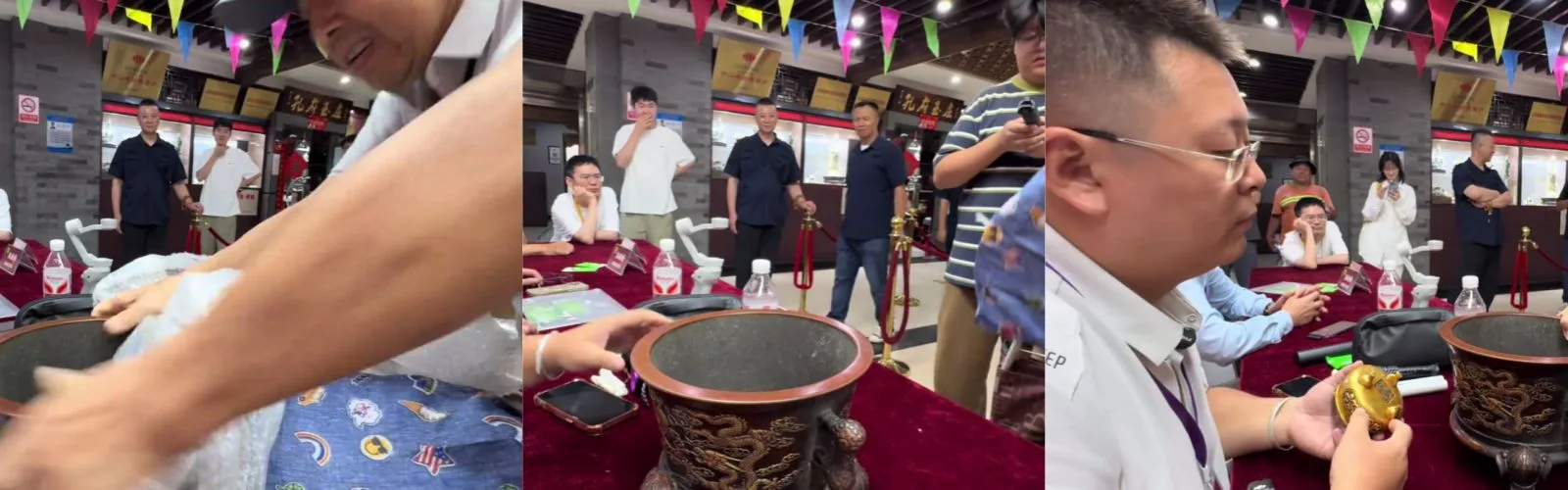
According to a report from the 818 Watermelon Network, in the lively treasure appraisal shows and online live streams, the term 'expert' often serves as a 'safety net' for elderly collectors. However, in reality, when a seasoned antique expert directly appraises an elderly person's collection and points out that most of the items are forgeries, the elderly person becomes upset—emotional breakdowns, intense verbal reactions, and even stating, 'I'd rather believe they are genuine treasures than be heartbroken.' This scenario is not rare but rather a reflection of the current chaos in the collection market. It exposes the risks in the folk appraisal industry, the elderly's psychological dependence, and how the terms 'genuine' and 'fake' can be used to exploit wealth and emotions. Should antique experts tell the elderly the truth? Experts advise collectors to be scientific, verify the source, and beware of scams; otherwise, 'saying it's fake' becomes the most helpless outcome.
According to public reports, an elderly man from Jiangsu once spent over a million yuan on thousands of items, believing he could achieve his 'collection dream.' He showed his antiques, porcelain, jade, and other items to professional antique experts for appraisal. After careful observation of the material, style, patina, and base marks, the experts concluded that most of the items were replicas or plastic products, easily distinguishable as fake, with only one genuine item valued at a single-digit amount (about 13 yuan). Upon hearing the results, the elderly man's face turned pale, his eyes reddened, and he emotionally broke down, saying to his family and the experts, 'Are you fooling me? They are all genuine!' He even refused to accept reality, stubbornly clinging to his collection as a source of spiritual comfort. Similar cases have occurred in Shanghai: an elderly man living alone spent 90 million yuan on over a thousand 'antiques,' which were later found to be forgeries after appraisal by experts and the police. Before his death, he still regarded these fake items as treasures, leaving his family heartbroken. Netizens commented, 'Does the elderly person become unhappy when the expert says it's fake? Collecting is not about buying recklessly but understanding it.'
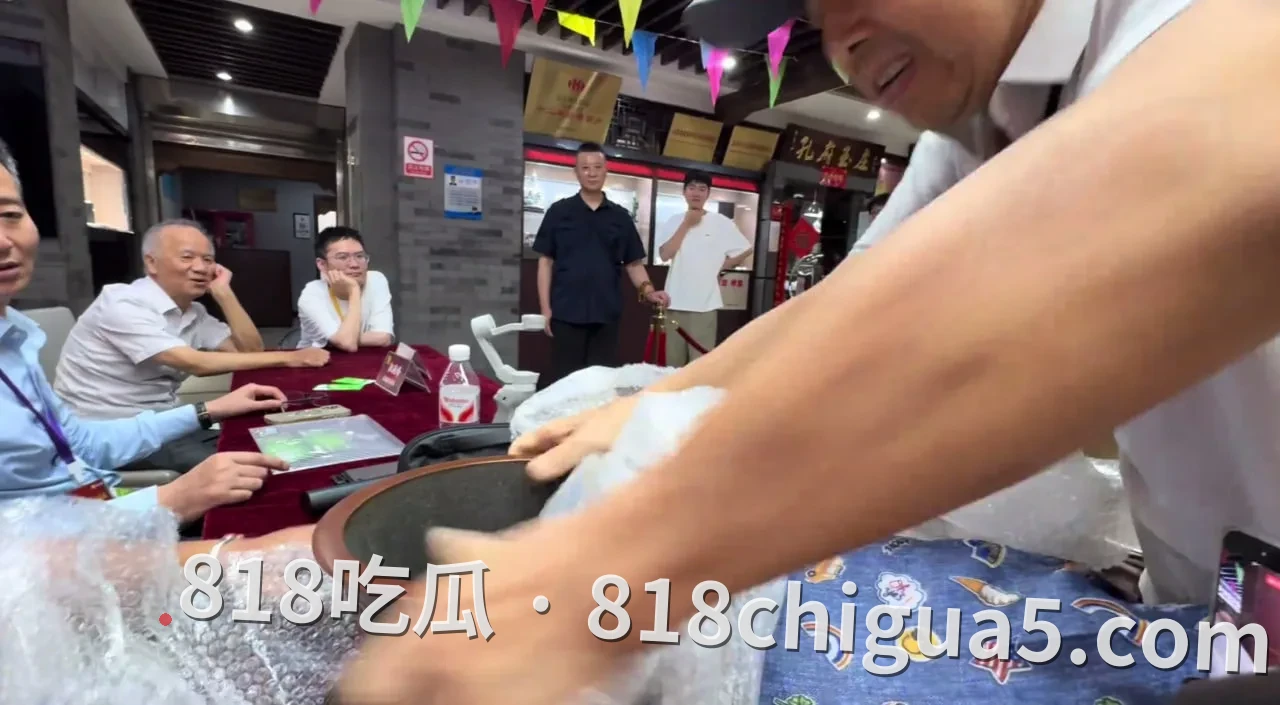
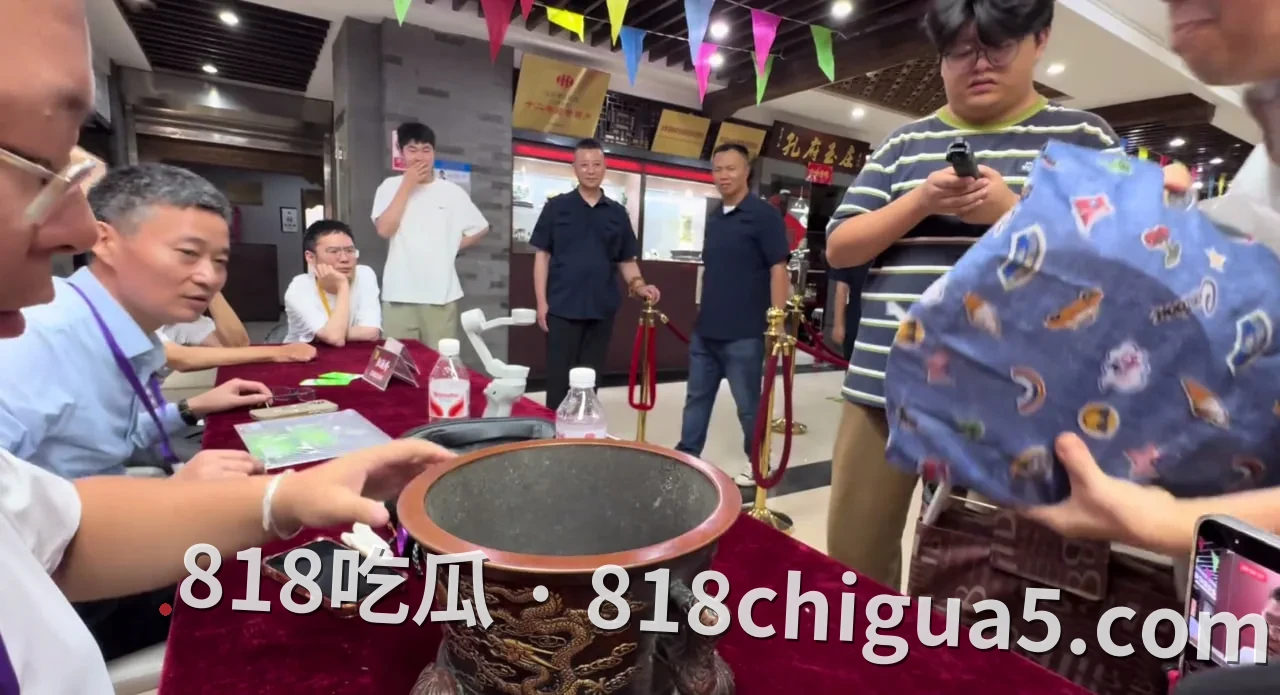
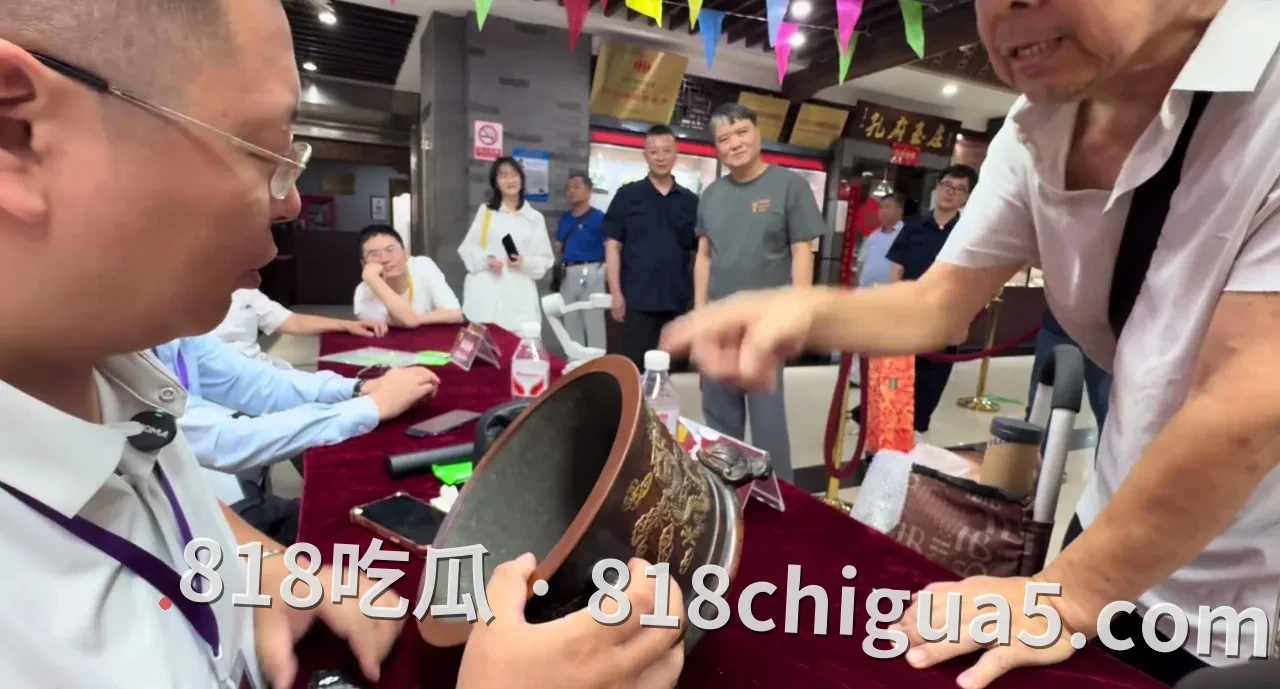
其次,民间鉴定行业存在“专家”滥用现象。部分“王八专家”并非国家文物鉴定机构认可的专业人士,而是通过直播间、短视频或上门服务套路牟利。他们故意给老人家高估藏品价值(“这件宋代哥窑能值几千万”),引导老人购买假货或二手假货,再以“高价回收”为幌子骗钱。老人家带来古董或花钱买货后,专家“说假的”则成了反杀:鉴定费没少要,老人却损失巨大。武汉警方就拆除过一家“直播鉴宝”团伙,专门骗老人纸币、铜钱、瓷器,最终让受害老人倾家荡产。专家若真心为老人着想,就该直言“假的”,但许多人为了业绩或回扣,选择“美化”或模糊评价。这让老人家在鉴宝后更不开心——“我花的钱白白浪费了,还被坑了”。
从社会影响看,这类“专家说假了,老人不开心”的场景正在放大收藏市场的信任危机。它提醒所有热爱收藏的老人:鉴宝不是儿戏,必须找正规渠道。国家文物局指导下的上海社会文物行业协会就提供公益鉴定服务,免费帮老人家评估真伪,避免上当。老人花百万买的数千件藏品,几乎全假,却还沉浸在“真宝”幻想中,最终损失惨重。这种现象暴露了部分老人对“古董增值”的盲目信任,也反映了直播间鉴宝广告的隐形陷阱:老人刷视频看到“免费鉴宝、高价回收”,先用低价日用品培养信任,再逐步买假货,专家现场“说假”后老人难过。专家若不“说假”,老人可能继续深陷;但“说假”后若专家本身靠骗局牟利,老人更不开心。
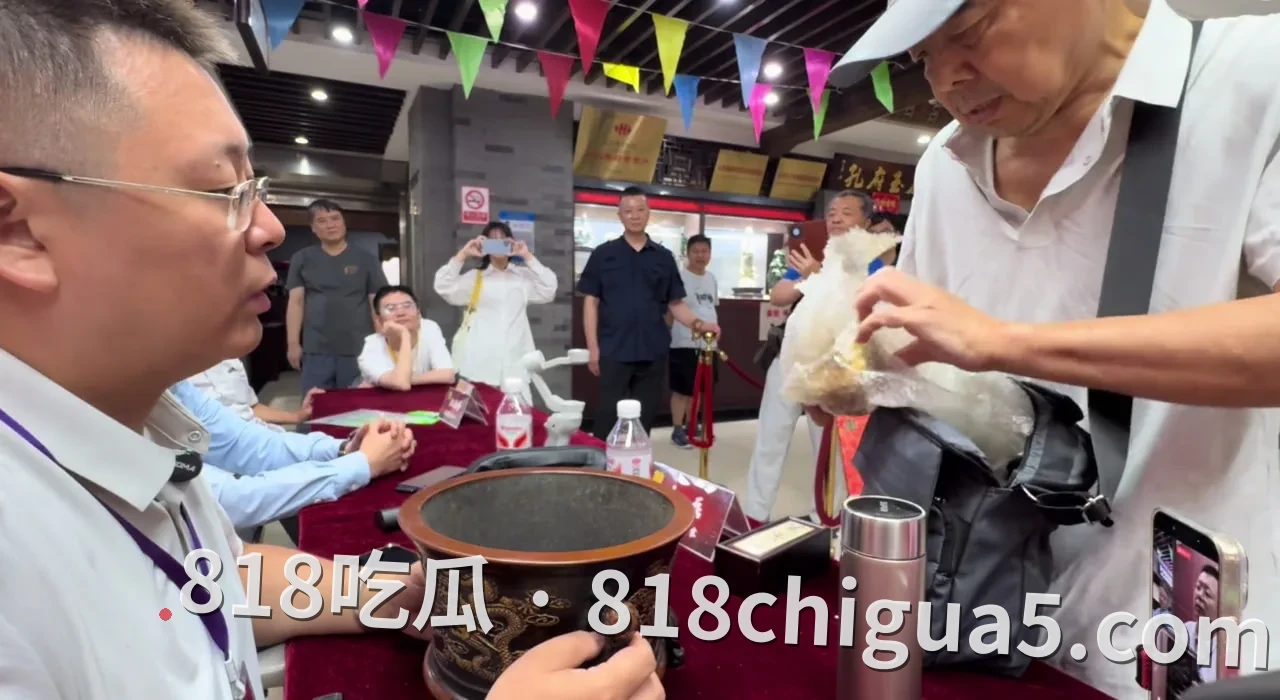
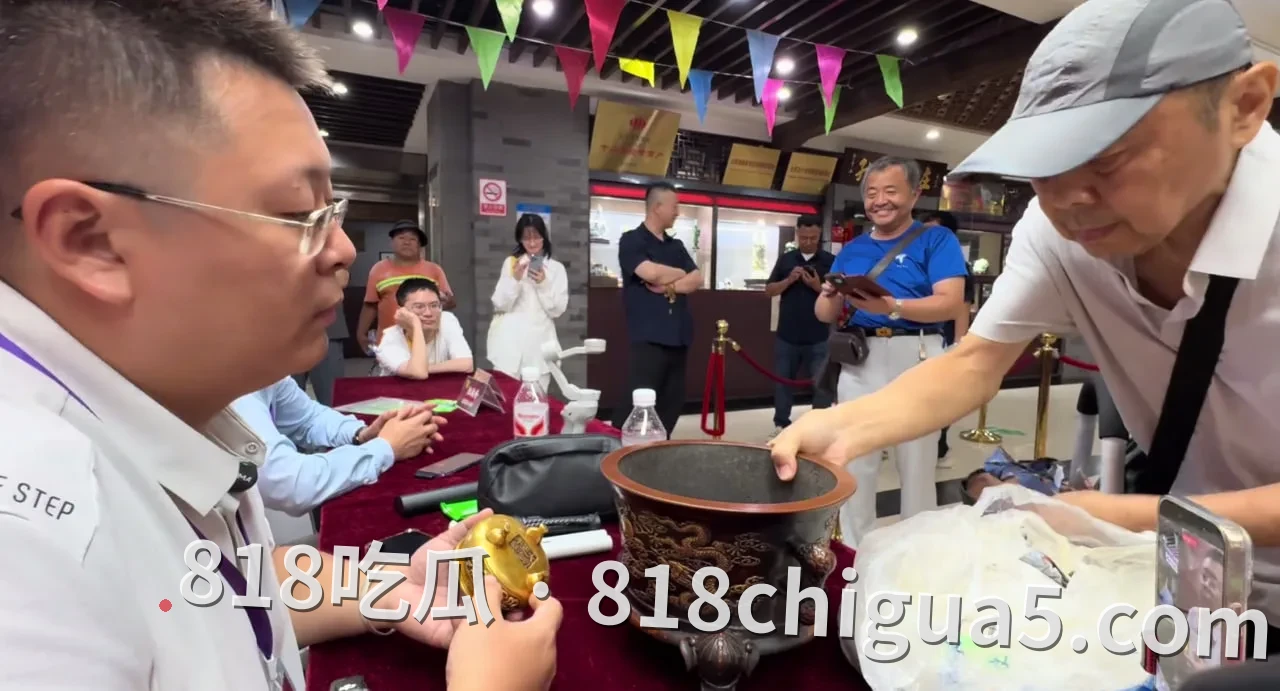
Of course, the phrase “Experts saying it’s fake makes the elderly unhappy” also prompts rational reflection. Collectors should not focus all their energy on the words “genuine” and “fake,” but rather should emphasize sustainability, source, and personal preference. According to the National Cultural Relics Law, any cultural relic must be identified as a statutory cultural relic to have collection value. If the elderly person’s home collection is an antique, experts should help verify its authenticity rather than creating the illusion of an “explosion in value.” Platforms and live-streaming rooms should strengthen supervision and prohibit false appraisal advertisements. Consumer rights protection laws also require transparent services, and the elderly have the right to know the truth. If experts cause the elderly to be unhappy due to “saying it’s fake,” those who should truly apologize are the so-called “experts” who profit from appraisal fees—these are not helping but harming.
Netizens have been calling out on social media platforms: “Collecting is not buying life, but buying understanding.” It is suggested that the elderly first seek advice from public appraisal centers or legitimate auction houses; when encountering live-streamed appraisals, they should promptly contact their children or the anti-fraud center of the police. Experts should also receive professional training to improve their professional competence and avoid turning “saying it’s fake” into “cheating the elderly.” If experts can truly tell the elderly the truth—“It’s fake, not valuable, throw it away or sell it cheaply”—the elderly might accept it, even happily discovering new value. Conversely, if experts are “unhappy” about telling the truth, the elderly will be even more upset.

Comments
0No comments yet